The Failure to Deliver Blood to the Heart Due To a Narrowing of Arteries Results in?
 Arterial Narrowing Unveiling the Consequences of Failed Blood Delivery to the Heart The human
heart, a biological marvel, tirelessly pumps oxygenated blood to nourish every
cell in our body. However, atherosclerosis, the narrowing of arteries, can
create a detrimental roadblock in this vital journey. When blood flow to the
heart is impeded, it sets the stage for a cascade of events with severe
consequences. In this article, we delve into the ramifications of failed blood
delivery to the heart due to arterial narrowing and explore the implications
for our health. 1. Angina
Pectoris The restricted blood flow through narrowed arteries places added strain
on the heart, usually resulting in a symptom known as angina pectoris. This
condition manifests as chest pain or discomfort caused by a reduced supply of
oxygen-rich blood reaching the heart muscle. Angina can vary in severity, from
mild discomfort to intense pain, and can be triggered by physical exertion or
emotional stress. 2.
Myocardial Infarction (Heart Attack) If the blood supply to the heart is significantly compromised due to
arterial narrowing, it can lead to a myocardial infarction, commonly known as a
heart attack. A heart attack occurs when a portion of the heart muscle is
starved of oxygen, leading to tissue damage or death. The consequences can
range from mild to severe, depending on the extent and duration of the blood
blockage. Prompt medical intervention and lifestyle changes are vital to
mitigating the long-term effects of a heart attack. 3. Heart
Failure Prolonged and untreated arterial narrowing can result in chronic heart
failure. The heart's inability to receive adequate blood supply gradually
weakens its pumping capacity, leading to reduced efficiency in supplying oxygen
and nutrients to the rest of the body. Symptoms may include fatigue, shortness
of breath, fluid retention, and exercise intolerance. Heart failure is a
serious condition that requires ongoing medical management to optimize heart
function and improve quality of life. 4.
Arrhythmias and Cardiac Arrest Arterial narrowing can disrupt the electrical signals that regulate the
heart's rhythm, potentially leading to arrhythmias. These abnormal heart
rhythms can cause palpitations, dizziness, or, in severe cases, cardiac
arrest—a sudden and complete cessation of heart function. Immediate medical
attention and cardiopulmonary resuscitation (CPR) are crucial in cases of
cardiac arrest to restore a regular heart rhythm and preserve life. 5. Ischemic
Stroke Arterial narrowing not only affects the blood supply to the heart but
also poses a threat to the brain. When the arteries leading to the brain become
narrow or blocked, it can result in an ischemic stroke. The decreased blood
flow to a specific region of the brain deprives it of oxygen and vital
nutrients, leading to tissue damage or cell death. Ischemic strokes often
present with symptoms such as sudden weakness, slurred speech, loss of
coordination, or numbness on one side of the body. Swift medical intervention
is crucial to minimize brain damage and optimize chances of recovery. 6.
Peripheral Artery Disease (PAD) Arterial narrowing can extend beyond the coronary arteries to affect
other parts of the body, leading to peripheral artery disease (PAD). PAD
commonly affects the arteries of the legs and causes reduced blood flow to the
lower extremities. Symptoms include pain, cramping, or fatigue while walking or
exercising, as well as slow-healing wounds or ulcers. Left untreated, PAD can
lead to severe complications, such as tissue death (gangrene) or even
amputation in extreme cases. Lifestyle changes, medication, and, in some
instances, surgical interventions can help manage PAD and improve blood flow to
the affected limbs. 7. Reduced
Quality of Life Failed blood delivery to the heart due to arterial narrowing not only
presents immediate health risks but can also have a profound impact on one's
quality of life. Living with the constant threat of angina, heart attacks,
arrhythmias, or heart failure can lead to anxiety, stress, and a diminished
ability to engage in daily activities. The impact is not limited to the
individual alone but extends to their loved ones as well. It is essential to
provide emotional support, educational resources, and a holistic approach to
care for those affected by these conditions. The narrowing
of arteries and subsequent failure to deliver blood to the heart has
far-reaching consequences for our health and well-being. From angina and heart
attacks to heart failure, arrhythmias, strokes, and peripheral artery disease,
these conditions can significantly impact our lives. Recognizing the signs and
symptoms, undergoing regular health checkups, and adopting a heart-healthy
lifestyle are paramount to prevention and early intervention. By understanding
the gravity of arterial narrowing and its ripple effects, we can make informed
choices to prioritize cardiovascular health and lay the foundation for a
fulfilling life, free from the shackles of compromised blood delivery to the
heart. The failure to
deliver blood to the heart due to arterial narrowing poses significant risks to
our health. Angina, heart attacks, heart failure, arrhythmias, and cardiac
arrest are among the potential consequences of compromised blood flow to the
heart. To mitigate these risks, maintaining a healthy lifestyle, including
regular exercise, a balanced diet, and avoiding smoking, is essential. Early
detection, medical management, and intervention through procedures such as
angioplasty or bypass surgery can also improve outcomes. By understanding the
consequences of arterial narrowing, we empower ourselves to make informed
choices that promote heart health and overall well-being. *Composed from
different sources and altered so that it is more fascinating to perusers Exclusive Insights Effective Ways to Manage Blood Sugar Incorporating 3 Delicious Drinks for Diabetes Prevention The
prevalence of diabetes has been steadily increasing in recent years, and in
India, the risk is particularly high. Lifestyle choices, genetics, and
environmental factors all contribute to the complications associated with
diabetes. When your body doesn't produce enough insulin, sugar remains in the
bloodstream, leading to various health problems like heart disease, kidney
disease, and vision loss. To tackle these concerns, it's crucial to make
important lifestyle changes, such as regular exercise, a diet rich in protein
and fiber, and the inclusion of specific herbal infusions in your daily
routine. According
to nutritionist Lovneet Batra, India has the highest number of reported
diabetes cases, with approximately 62 million individuals affected. As the
incidence of diabetes continues to rise, it becomes increasingly important to
manage blood sugar levels effectively. In this article, we present three
amazing drinks to start your morning right, helping you maintain stable glucose
levels throughout the day. 1.
Methi Seeds Water: Embracing the Power of Fenugreek Fenugreek,
with its soluble and glucomannan fibers, plays a significant role in regulating
glucose levels by slowing down the absorption of sugars in the intestines.
Additionally, alkaloids like fenugrecin and trigonelline found in fenugreek
have shown hypoglycemic properties. Fenugreek also contains an amino acid
called 4-hydroxyisoleucine (4-OH Ile), which stimulates insulin release from
the pancreas—an essential hormone for individuals with type 1 diabetes. 2.
Giloy Water: Nature's Remedy for Balanced Blood Sugar Giloy,
an herbaceous vine, contains berberine—an alkaloid compound that has shown
promise in reducing blood sugar levels, as confirmed by human studies.
Berberine works similarly to the popular diabetes medication, metformin. Adding
giloy water to your morning routine may help you maintain stable blood glucose
levels and provide a natural remedy for managing diabetes. 3.
Cinnamon Tea: Enjoy Flavorful Benefits for Blood Sugar Control Apart
from adding a delightful taste to your morning beverage, cinnamon has been
found to enhance glycogen synthesis activity, leading to increased glycogen
storage. The natural components in cinnamon function similarly to insulin, thus
promoting stable blood glucose levels. Including a cup of cinnamon tea in your
routine not only brings numerous health advantages but also helps prevent
sudden sugar spikes throughout the day. Remember to Seek Expert
Advice Before
incorporating these diabetes drinks into your daily routine, it's crucial to
consult a dietary expert. They can provide a personalized dietary analysis and
guide you on the proper inclusion of these drinks in your diabetes management
plan. Maintaining
stable blood sugar levels is vital for overall health and effective diabetes
management. The three morning drinks mentioned—fenugreek seeds water, giloy
water, and cinnamon tea—each possess unique properties that can aid in
preventing sugar spikes and ensuring glucose stability. By combining these
drinks with a balanced diet, regular exercise, and expert guidance, you can
take control of your diabetes and lead a healthier, more fulfilling life. *Composed from different sources and altered so that it is
more fascinating to perusers Explain What Distinguishes a Stroke From a Heart Attack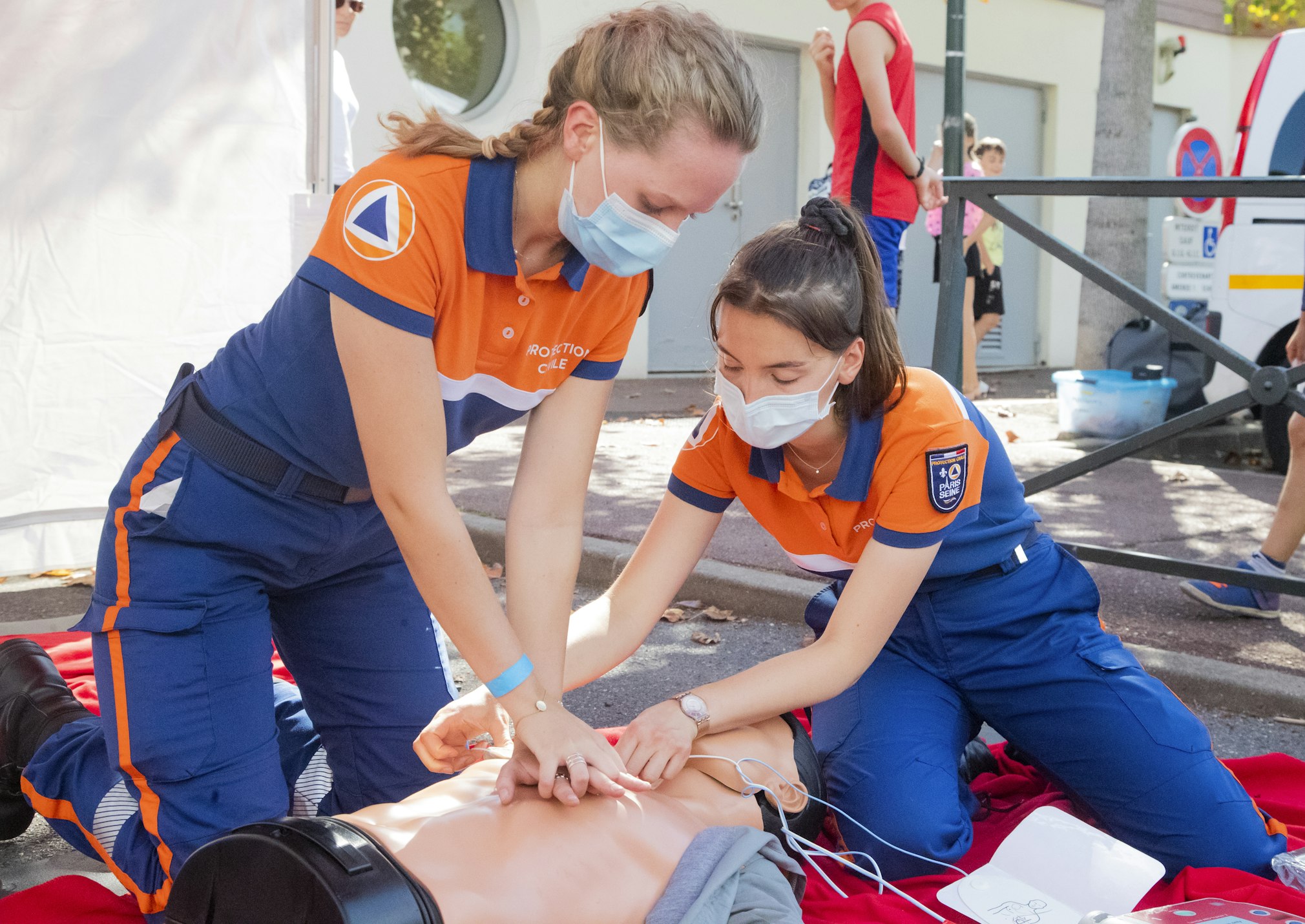 The
Distinctions Unveiled Stroke versus Heart Attack When
it comes to medical emergencies, strokes and heart attacks are extremely
serious conditions. Although they share some similarities in symptoms and risk
factors, it is important to comprehend their unique characteristics. This
article delves into the intriguing realm of strokes and heart attacks,
exploring the key disparities between these life-threatening events. 1.
Anatomy and Affected Organs A
stroke primarily affects the brain and disrupts the blood supply to a specific
area. It transpires when a blood vessel that carries oxygen-rich blood to the
brain becomes blocked (ischemic stroke) or ruptures (hemorrhagic stroke).
Conversely, a heart attack, also known as a myocardial infarction, impacts the
heart muscle. It occurs when a coronary artery, responsible for supplying blood
to the heart, becomes obstructed, depriving the heart of oxygen and causing
tissue damage. 2.
Symptoms Although
strokes and heart attacks may share some symptoms, they often exhibit distinct
signs. Strokes commonly manifest through sudden weakness or numbness on one
side of the body, difficulty speaking or understanding speech, severe
headaches, and issues with balance or coordination. In contrast, heart attacks
typically display symptoms such as chest pain or discomfort, shortness of
breath, nausea, cold sweats, and pain radiating down the left arm. 3.
Urgency and Timeline The
urgency and timeline surrounding strokes and heart attacks significantly
differ. Strokes require swift intervention as time is of the essence. Seeking
immediate medical attention can help minimize long-term brain damage and
disability. Treatments like clot-busting medications or interventional
procedures are most effective within the initial hours of symptom onset. Heart
attacks also necessitate prompt action, but the timeframe for intervention is
slightly more extended. Rapid medical care, such as administering
clot-dissolving drugs or performing cardiac interventions like angioplasty, can
salvage heart muscle and prevent severe complications. 4.
Risk Factors Multiple risk factors contribute to the development of strokes and heart attacks, with some overlapping and others specific to each condition. High blood pressure, smoking, diabetes, and high cholesterol are common risk factors shared by both strokes and heart attacks. However, certain factors play a role exclusively in each case. Atrial fibrillation (irregular heart rhythm), previous stroke or transient ischemic attack (TIA), and specific blood disorders contribute to the risk of strokes. Heart attacks, on the other hand, may be influenced by factors such as a family history of heart disease, obesity, a sedentary lifestyle, and stress. 5.
Treatment and Rehabilitation The
treatment approaches for strokes and heart attacks differ due to their impact
on distinct organs. Strokes often involve restoring blood flow to the brain,
minimizing brain damage, and managing complications through a combination of
medications, rehabilitation therapy, and lifestyle changes. Conversely, heart
attack treatment revolves around promptly reopening the blocked coronary artery
to restore blood flow and preserve heart muscle function. Medications, cardiac
procedures, and cardiac rehabilitation are crucial components of the recovery
process. 6.
Recovery and Long-term Care The
recovery journey and long-term care for stroke and heart attack survivors
differ based on the affected organs. Stroke survivors may require specialized
rehabilitation to regain lost abilities and relearn everyday tasks. Physical
therapy, occupational therapy, and speech therapy play vital roles in their
recovery. Additionally, ongoing management of risk factors such as blood
pressure, cholesterol levels, and medications is necessary to prevent further
strokes. Heart
attack survivors often undergo cardiac rehabilitation programs to aid in their
recovery and improve overall heart health. These programs include exercise
training, education about lifestyle modifications, and counseling to address
emotional and psychological well-being. Adopting a heart-healthy lifestyle,
including a balanced diet, regular exercise, and medication adherence, becomes
pivotal in maintaining heart health and preventing future cardiac events. 7.
Prevention Strategies Preventing
strokes and heart attacks involves addressing risk factors and making lifestyle
changes. It is crucial to maintain a healthy blood pressure range, abstain from
smoking, manage diabetes effectively, and control cholesterol levels. Engaging
in regular physical activity, consuming a nutritious diet comprising fruits,
vegetables, whole grains, and lean proteins, and maintaining a healthy weight
are also important preventive measures. Closely
monitoring and managing other specific risk factors, such as atrial
fibrillation or previous strokes, can significantly reduce the risk of future
strokes. Heart attack prevention strategies may involve managing stress
effectively, maintaining a healthy weight, engaging in regular physical
activity, and limiting the intake of alcohol. Regular check-ups with healthcare
professionals and adherence to prescribed medications further contribute to
preventing future cardiac events. By
understanding the nuances between strokes and heart attacks, recognizing
symptoms promptly, and implementing appropriate treatment and prevention
measures, we can make a significant impact on reducing the devastating
consequences of these medical emergencies. Empowering individuals with
knowledge about stroke and heart attack prevention, along with ensuring access
to timely medical care, contributes to better health outcomes and improved
quality of life. Together, we can strive to prevent these life-threatening
events and secure a healthier future for everyone. While
strokes and heart attacks are catastrophic medical events, comprehending their
differences is essential. Recognizing symptoms, seeking immediate medical
attention, and implementing appropriate treatment measures are fundamental in
mitigating the damage caused. By educating ourselves and raising awareness, we
have the potential to save lives and ensure better health outcomes for
individuals facing these critical situations. *Composed from different sources and altered so that it
is more fascinating to perusers What is the Reason For Using Systems Theory to Study a Healthcare Facility? Exploring
the Benefits Why Systems Theory is Essential for Studying Healthcare Facilities Introduction In the complex and interconnected world of healthcare, understanding the intricacies of a healthcare facility requires a holistic approach. This is where systems theory comes into play. By examining healthcare facilities through the lens of systems theory, researchers and practitioners gain valuable insights into the interdependent components and processes that shape their function. This article will delve into the reasons behind the use of systems theory in studying healthcare facilities and highlight the advantages it brings to improving patient care and organizational effectiveness. 1.
Embracing Complexity Healthcare
facilities are intricate systems with multiple interconnected elements, such as
medical staff, patients, technology, policies, and resources. Systems theory
recognizes that these components are interdependent and that changes in one
area can have cascading effects throughout the system. By employing systems
thinking, healthcare researchers and administrators can better comprehend the
complexity and interplay between various factors, enabling them to identify and
address potential issues proactively. 2.
Promoting Interdisciplinary Collaboration Systems
theory encourages interdisciplinary collaboration, recognizing that healthcare
is not limited to a single specialty. By adopting a systems perspective,
healthcare professionals from various disciplines can come together to analyze
and optimize the facility's performance. Physicians, nurses, administrators,
technicians, and other stakeholders can pool their expertise to identify and
resolve system-wide problems, leading to better patient outcomes and more
efficient resource allocation. 3.
Enhancing Organizational Efficiency A
healthcare facility is an organization driven by multiple subsystems, each with
its own objectives and responsibilities. Systems theory facilitates a holistic
view of the facility, enabling administrators to identify inefficiencies and
bottlenecks. By comprehending the interdependencies between departments,
processes, and workflow, systems theory provides insights into optimizing
resource utilization, streamlining communication, minimizing waste, and
improving overall operational efficiency. 4.
Improving Patient Safety and Quality of Care Patient
safety and quality of care are paramount in healthcare provision. Systems
theory recognizes that errors and adverse events are often the result of
systemic issues rather than individual mistakes. By adopting a systems
approach, healthcare facilities can identify potential risks, such as
communication breakdowns or process flaws, and implement system-wide changes to
mitigate these risks. Additionally, systems theory facilitates the
implementation of evidence-based practices across the facility, ensuring
standardized and consistent care that leads to improved patient outcomes and
increased patient satisfaction. 5.
Adapting to Dynamic Environments Healthcare
facilities operate in a constantly evolving environment, influenced by
technological advancements, changing demographics, policy reforms, and economic
factors. Systems theory provides a framework for understanding and adapting to
these changes by acknowledging the facility's interconnectedness with its
external context. By analyzing the facility as a dynamic system, researchers
and administrators can anticipate and respond effectively to external
influences, ensuring the facility remains resilient, flexible, and capable of
providing high-quality care amidst changing circumstances. Conclusion Systems
theory provides a valuable framework for studying healthcare facilities,
enabling a comprehensive understanding of their complexity, interdependencies,
and challenges. By adopting a systems perspective, researchers and
practitioners can uncover underlying issues, optimize processes, enhance
patient safety, and improve overall organizational performance. Embracing
systems theory in healthcare is a proactive step towards building more
resilient, efficient, and patient-centered healthcare systems that can better
meet the needs of the evolving healthcare landscape. Moreover,
systems theory encourages a shift from the traditional reductionist approach
towards a more holistic and integrated mindset. It recognizes that healthcare
facilities are not just a sum of individual parts, but dynamic systems in which
the whole is greater than the sum of its parts. This paradigm shift fosters
collaboration, transparency, and shared responsibility among healthcare
professionals, administrators, and stakeholders, working towards a common goal
of delivering the best possible care to patients. In
conclusion, the application of systems theory in studying healthcare facilities
offers numerous advantages. It enables a deeper understanding of the complex
interactions and interdependencies within these systems, promotes
interdisciplinary collaboration, enhances organizational efficiency, improves
patient safety and quality of care, and facilitates adaptability in a rapidly
changing environment. By embracing systems thinking, healthcare facilities can
strive towards continuous improvement, innovation, and the provision of
effective and patient-centered care that meets the diverse needs of individuals
and communities. As the future of healthcare unfolds, systems theory will
continue to play a vital role in shaping the design and operation of healthcare
facilities worldwide. *Note: While this article
provides an overview of the reasons for using systems theory to study
healthcare facilities, it is worth noting that the field of systems theory is
vast and encompasses various models and approaches that may be applied in
different ways depending on the specific context and goals of the research or
application. *Composed
from different sources and altered so that it is more fascinating to perusers What is the Purpose of the Food and Drug Administration? Unveiling the Purpose of the Food and Drug Administration Safeguarding Health and Innovation Introduction In
the vast landscape of public health and consumer protection, few government
agencies hold as much significance as the Food and Drug Administration (FDA).
Established over a century ago, the FDA plays a crucial role in ensuring the
safety, efficacy, and quality of food, drugs, medical devices, and various
other products that impact our daily lives. Understanding the purpose and
multifaceted responsibilities of the FDA is key to appreciating its vital role
in protecting public health and fostering innovation. Guardian of Public Health At
its core, the FDA serves as the guardian of public health by regulating and
supervising the products that Americans consume. Its primary mission revolves
around safeguarding the nation's food supply and ensuring that drug products
are safe and effective for use. Through rigorous regulations and inspections,
the FDA aims to prevent contamination, adulteration, and deceptive labeling,
thereby minimizing potential risks and promoting consumer confidence. Drug Approval and
Monitoring Perhaps
one of the FDA's most renowned responsibilities is overseeing the drug approval
process. Before any pharmaceutical product reaches the hands of patients, it
must undergo meticulous scrutiny to assess its safety and efficacy. The FDA
evaluates clinical trial data, manufacturing processes, labeling, and
post-marketing surveillance to determine whether the benefits of a drug
outweigh its potential risks. This thorough evaluation is crucial in protecting
patients from ineffective or harmful medications. Food Safety and Labeling Another
essential aspect of the FDA's role revolves around ensuring the safety and
accuracy of food products. The FDA establishes and enforces regulations for
food producers, processors, and distributors, covering everything from
ingredient safety to manufacturing practices. By setting rigorous standards,
conducting inspections, and responding to outbreaks or contamination incidents,
the FDA reduces the likelihood of foodborne illnesses and enhances the overall
safety of the food supply. Consumer Education and
Empowerment Beyond regulatory oversight, the FDA is committed to educating and empowering consumers to make informed choices. The agency strives to provide accessible and accurate information about products, their potential risks, and proper use. Clear labeling requirements on food and drugs enable consumers to understand contents, nutritional value, potential allergens, and usage instructions, allowing them to make educated decisions regarding their health and well-being. Advancing Innovation While
the FDA's primary mission centers around protecting public health, it also
plays a pivotal role in fostering innovation. The agency actively collaborates
with researchers, scientists, and industry stakeholders to support the
development and timely approval of innovative treatments, medical devices, and
therapies. Balancing the need for safety with the promotion of innovation is a
delicate task that the FDA undertakes to enable advancements that can transform
healthcare. Enforcing Regulatory
Compliance In
addition to its vital role in product safety, the FDA is responsible for
enforcing regulatory compliance across industries. This includes conducting
inspections and audits of manufacturing facilities to ensure adherence to Good
Manufacturing Practices (GMP) and other quality standards. By holding companies
accountable to established regulations, the FDA helps maintain a level playing
field for businesses and protects consumers from substandard or counterfeit
products. Responding to Emerging
Challenges The
FDA continually adapts to address emerging challenges in the ever-evolving
landscape of public health. From the rise of e-cigarettes and vaping-related
illnesses to the ongoing opioid crisis, the FDA has been at the forefront of
monitoring, investigating, and implementing measures to tackle these issues.
Through proactive surveillance, research initiatives, and collaborations with
public health agencies, the FDA aims to swiftly respond to emerging threats and
minimize their impact on public health. International
Collaboration As
the global marketplace becomes increasingly interconnected, the FDA recognizes
the importance of international collaboration. The agency actively engages with
regulatory counterparts from around the world to establish harmonized
standards, share information, and collaborate on regulatory decisions. This
cooperation helps facilitate the smooth flow of safe and effective products
across borders, ensuring that quality standards are upheld regardless of
geographic origin. Harnessing Science and
Technology In
fulfilling its mission, the FDA continues to embrace advancements in science
and technology. By harnessing cutting-edge research, data analytics, and
computational modeling, the FDA enhances its ability to evaluate product
safety, optimize regulatory processes, and make informed decisions. This
commitment to innovation enables the agency to stay at the forefront of
emerging scientific trends, such as precision medicine, gene therapies, and
digital health advancements. Transparency and Accountability The
FDA places a strong emphasis on transparency and accountability to maintain
public trust. The agency provides accessible information about its regulatory
decisions, approvals, and safety alerts to keep the public well-informed.
Additionally, the FDA encourages public participation through public comment
periods and public hearings, considering the perspectives of stakeholders and
the general population when making critical decisions that impact public
health. Conclusion The
purpose of the Food and Drug Administration extends far beyond simple product
regulation. It acts as a guardian of public health, ensuring the safety and
efficacy of food, drugs, and medical devices. The FDA's intricate
responsibilities encompass regulatory oversight, safety evaluations,
enforcement actions, public education, and collaboration with domestic and
international partners. By balancing the need for public health protection and
fostering innovation, the FDA continues to play a pivotal role in safeguarding
the well-being of the American populace, both today and well into the future. The
Food and Drug Administration stands as a cornerstone of public protection,
ensuring the safety and efficacy of products that impact the lives of millions.
Its multifaceted purpose lies in safeguarding public health, supervising drug
approval, overseeing food safety, educating consumers, and promoting
innovation. Through its stringent regulations, rigorous evaluations, and
unwavering commitment to scientific rigor, the FDA plays a crucial role in
balancing the needs of the public, industry, and advancement, ultimately
leading to a healthier and more informed society. *Composed from different
sources and altered so that it is more fascinating to perusers Explain When You Should Seek Treatment for Depression Recognizing
the Signs When to Seek Treatment for Depression Depression
is a complex mental health condition that affects millions of individuals
worldwide. It can have a profound impact on every aspect of a person's life,
including their emotional well-being, relationships, and daily functioning.
While occasional feelings of sadness are normal, persistent and overwhelming
depressive symptoms may indicate the need for professional help. This article
aims to provide insight into when it is crucial to seek treatment for
depression and empower individuals to take action towards their mental
well-being. 1.
Prolonged and Intense Emotional Distress If
you find yourself experiencing a persistent state of sadness, hopelessness, or
emptiness that lasts for weeks or even months, it may be time to seek treatment
for depression. Emotional distress that interferes with your ability to carry
out routine tasks, enjoy activities you once loved, or maintain healthy
relationships should not be ignored. 2.
Negative Impact on Daily Functioning Depression
can significantly impact your ability to function in various areas of life,
such as work, school, and personal relationships. If you notice significant
changes in your energy levels, motivation, concentration, or productivity that
continue for an extended period, treatment may be necessary to regain control
of your life. 3.
Suicidal Thoughts or Behaviors Thoughts
of death or suicide should always be taken seriously. If you find yourself
contemplating self-harm, making plans, or engaging in suicidal behaviors, it is
crucial to seek immediate help. Reach out to a mental health professional or a
helpline in your country for the support you need. 4.
Physical Symptoms Depression
can manifest in physical symptoms as well. Unexplained changes in appetite,
weight, sleep patterns (insomnia or excessive sleepiness), or unexplained aches
and pains are often associated with depression. Seeking treatment can help
address these physical symptoms and improve your overall well-being. 5.
Social Withdrawal and Isolation Depression
often leads to a sense of isolation, as individuals may withdraw from social
activities and prefer solitude. If you notice a significant decline in your
social interactions, avoidance of friends and family, or a loss of interest in
previously enjoyed social engagements, it may be a red flag indicating the need
for professional intervention. 6.
Recurring Episodes of Depression If
you have experienced depression in the past and find yourself facing similar
symptoms again, it is essential to seek treatment promptly. Depression can be a
recurring condition, and early intervention can help prevent the severity and
duration of future episodes. 7.
Impact on Relationships Depression
can strain relationships with your loved ones. If you notice consistent
conflicts, an inability to communicate effectively, or a lack of emotional
connection with others due to your depressive symptoms, engaging in treatment
can help restore and improve your relationships. Recognizing
when to seek treatment for depression is crucial for one's overall well-being.
If you are experiencing prolonged emotional distress, a negative impact on
daily functioning, suicidal thoughts, physical symptoms, social withdrawal,
recurring episodes, or relationship strain, it is time to reach out for help.
Remember, seeking treatment is a courageous step towards regaining control of
your life and finding the support necessary to navigate the challenges of
depression. Do not hesitate to contact mental health professionals or helplines
that can guide you on your path towards healing. It
is important to remember that seeking treatment for depression is not a sign of
weakness but an act of self-care and strength. The decision to reach out for
professional help can be life-changing, offering you the tools, support, and
strategies needed to manage and overcome depression. Treatment
options for depression may include therapy, medication, or a combination of
both. Cognitive-behavioral therapy (CBT), interpersonal therapy (IPT), and
medication such as antidepressants are commonly used approaches that have
proven effective in treating depression. Additionally, lifestyle modifications,
such as regular exercise, maintaining a healthy diet, getting enough sleep, and
engaging in activities that bring joy, can also contribute to your overall
well-being. Remember,
seeking treatment is not a one-size-fits-all approach. Each individual's
journey is unique, and finding the right treatment plan may take time. Don't
hesitate to reach out to mental health professionals who can help tailor a plan
to suit your specific needs. In
conclusion, if you are experiencing persistent depressive symptoms that
interfere with your daily life, relationships, and overall well-being, it is
essential to seek treatment for depression. Recognizing the signs and taking
the necessary steps towards professional help can be a transformative and
life-affirming decision. Remember, you are not alone, and there is support
available to guide you on your journey to recovery. *Composed from different sources and altered so that it is more fascinating to perusers Dragon Ball Season 1 Free Watch Sub English Winter 1986 Ep 1-153 In the forest, Gokuu Child carried on with a single life until Bulma, a young lady looking for the unbelievable Mythical serpent Balls, coincidentally found him. These supernatural circles could concede any wish, and Bulma needed to utilize them to track down the ideal sweetheart. Notwithstanding, Gokuu had a Mythical beast Wad of his own that he wouldn't surrender. In return for utilizing its wizardry, Bulma persuaded him to go with her on her journey. Together, they set out on an experience that ended up being everything except singular. During their excursion, they met Muten-Roshi and his aggressive understudy, Kuririn. Gokuu prepared his combative techniques abilities in anticipation of the impending Scene Hand to hand fighting Competition. Notwithstanding, a lot was on the line, as certain individuals had hazier goals for the Mythical serpent Balls' powers than tracking down an accomplice. To forestall misfortune, Gokuu and his partners prepared more diligently and utilized their freshly discovered capacities to help those they experienced on the excursion.
Dragon Ball S1 Ep 01 Dragon Ball S1 Ep 51 Dragon Ball S1 Ep 101 Dragon Ball S1 Ep 02 Dragon Ball S1 Ep 52 Dragon Ball S1 Ep 102 Dragon Ball S1 Ep 03 Dragon Ball S1 Ep 53 Dragon Ball S1 Ep 103 Dragon Ball S1 Ep 04 Dragon Ball S1 Ep 54 Dragon Ball S1 Ep 104 Dragon Ball S1 Ep 05 Dragon Ball S1 Ep 55 Dragon Ball S1 Ep 105 Dragon Ball S1 Ep 06 Dragon Ball S1 Ep 56 Dragon Ball S1 Ep 106 Dragon Ball S1 Ep 07 Dragon Ball S1 Ep 57 Dragon Ball S1 Ep 107 Dragon Ball S1 Ep 08 Dragon Ball S1 Ep 58 Dragon Ball S1 Ep 108 Dragon Ball S1 Ep 09 Dragon Ball S1 Ep 59 Dragon Ball S1 Ep 109 Dragon Ball S1 Ep 10 Dragon Ball S1 Ep 60 Dragon Ball S1 Ep 110 Dragon Ball S1 Ep 11 Dragon Ball S1 Ep 61 Dragon Ball S1 Ep 111 Dragon Ball S1 Ep 12 Dragon Ball S1 Ep 62 Dragon Ball S1 Ep 112 Dragon Ball S1 Ep 13 Dragon Ball S1 Ep 63 Dragon Ball S1 Ep 113 Dragon Ball S1 Ep 14 Dragon Ball S1 Ep 64 Dragon Ball S1 Ep 114 Dragon Ball S1 Ep 15 Dragon Ball S1 Ep 65 Dragon Ball S1 Ep 115 Dragon Ball S1 Ep 16 Dragon Ball S1 Ep 66 Dragon Ball S1 Ep 116 Dragon Ball S1 Ep 17 Dragon Ball S1 Ep 67 Dragon Ball S1 Ep 117 Dragon Ball S1 Ep 18 Dragon Ball S1 Ep 68 Dragon Ball S1 Ep 118 Dragon Ball S1 Ep 19 Dragon Ball S1 Ep 69 Dragon Ball S1 Ep 119 Dragon Ball S1 Ep 20 Dragon Ball S1 Ep 70 Dragon Ball S1 Ep 120 Dragon Ball S1 Ep 21 Dragon Ball S1 Ep 71 Dragon Ball S1 Ep 121 Dragon Ball S1 Ep 22 Dragon Ball S1 Ep 72 Dragon Ball S1 Ep 122 Dragon Ball S1 Ep 23 Dragon Ball S1 Ep 73 Dragon Ball S1 Ep 123 Dragon Ball S1 Ep 24 Dragon Ball S1 Ep 74 Dragon Ball S1 Ep 124 Dragon Ball S1 Ep 25 Dragon Ball S1 Ep 75 Dragon Ball S1 Ep 125 Dragon Ball S1 Ep 26 Dragon Ball S1 Ep 76 Dragon Ball S1 Ep 126 Dragon Ball S1 Ep 27 Dragon Ball S1 Ep 77 Dragon Ball S1 Ep 127 Dragon Ball S1 Ep 28 Dragon Ball S1 Ep 78 Dragon Ball S1 Ep 128 Dragon Ball S1 Ep 29 Dragon Ball S1 Ep 79 Dragon Ball S1 Ep 129 Dragon Ball S1 Ep 30 Dragon Ball S1 Ep 80 Dragon Ball S1 Ep 130 Dragon Ball S1 Ep 31 Dragon Ball S1 Ep 81 Dragon Ball S1 Ep 131 Dragon Ball S1 Ep 32 Dragon Ball S1 Ep 82 Dragon Ball S1 Ep 132 Dragon Ball S1 Ep 33 Dragon Ball S1 Ep 83 Dragon Ball S1 Ep 133 Dragon Ball S1 Ep 34 Dragon Ball S1 Ep 84 Dragon Ball S1 Ep 134 Dragon Ball S1 Ep 35 Dragon Ball S1 Ep 85 Dragon Ball S1 Ep 135 Dragon Ball S1 Ep 36 Dragon Ball S1 Ep 86 Dragon Ball S1 Ep 136 Dragon Ball S1 Ep 37 Dragon Ball S1 Ep 87 Dragon Ball S1 Ep 137 Dragon Ball S1 Ep 38 Dragon Ball S1 Ep 88 Dragon Ball S1 Ep 138 Dragon Ball S1 Ep 39 Dragon Ball S1 Ep 89 Dragon Ball S1 Ep 139 Dragon Ball S1 Ep 40 Dragon Ball S1 Ep 90 Dragon Ball S1 Ep 140 Dragon Ball S1 Ep 41 Dragon Ball S1 Ep 91 Dragon Ball S1 Ep 141 Dragon Ball S1 Ep 42 Dragon Ball S1 Ep 92 Dragon Ball S1 Ep 142 Dragon Ball S1 Ep 43 Dragon Ball S1 Ep 93 Dragon Ball S1 Ep 143 Dragon Ball S1 Ep 44 Dragon Ball S1 Ep 94 Dragon Ball S1 Ep 144 Dragon Ball S1 Ep 45 Dragon Ball S1 Ep 95 Dragon Ball S1 Ep 145 Dragon Ball S1 Ep 46 Dragon Ball S1 Ep 96 Dragon Ball S1 Ep 146 Dragon Ball S1 Ep 47 Dragon Ball S1 Ep 97 Dragon Ball S1 Ep 147 Dragon Ball S1 Ep 48 Dragon Ball S1 Ep 98 Dragon Ball S1 Ep 148 Dragon Ball S1 Ep 49 Dragon Ball S1 Ep 99 Dragon Ball S1 Ep 149 Dragon Ball S1 Ep 50 Dragon Ball S1 Ep 100 Dragon Ball S1 Ep 150
Langganan:
Postingan (Atom)
The Pinnacle Handbook for Sustaining Optimal Well-beingIn the contemporary whirlwind of existence, the cultivation of a salubrious lifestyle frequently recedes into the background amid the caco... 
|
||||||||||||||||||||||||